BitUnlocker: A New Threat to BitLocker Security via Windows Recovery Environment
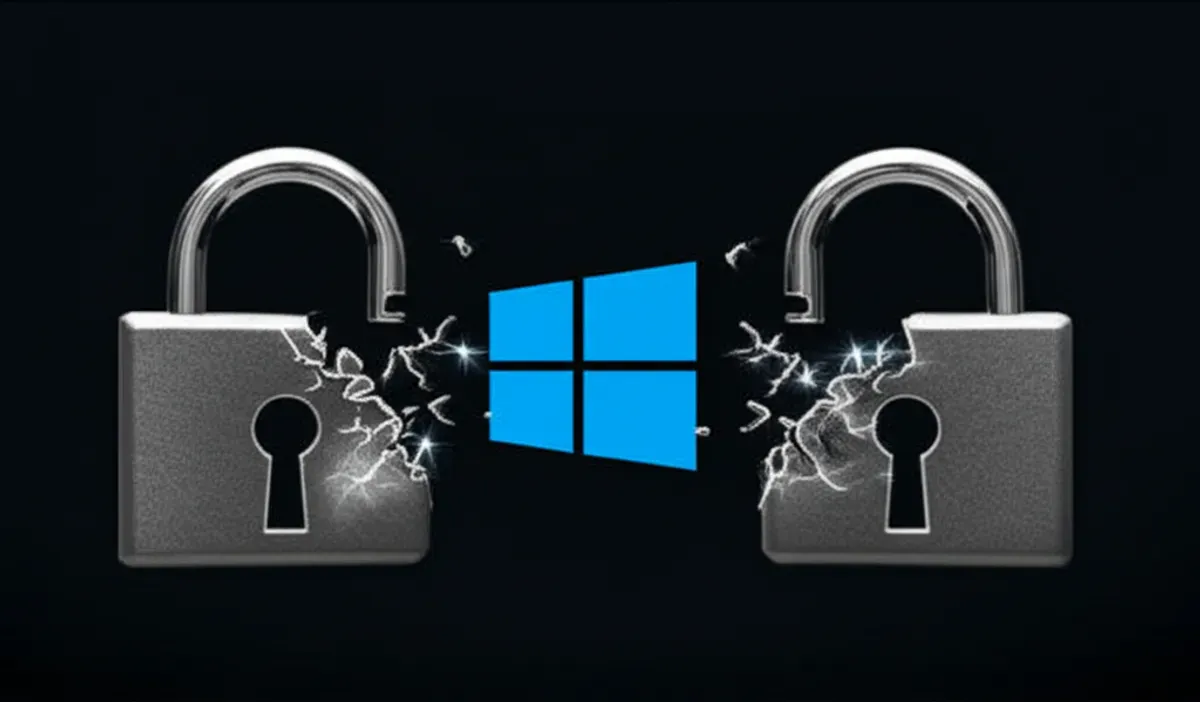
On August 11, 2025, Microsoft's Offensive Research & Security Engineering (MORSE) team disclosed a set of critical flaws they grouped under the name "BitUnlocker." Together they open a new physical-attack path against BitLocker encryption, and they reach across Windows 10, Windows 11, and Windows Server versions 2016 through 2025.
What BitUnlocker Is
BitUnlocker is four zero-day flaws in the Windows Recovery Environment (WinRE). Chain them with physical access to a device and you can bypass BitLocker entirely, reading an encrypted drive with no authentication at all.
When I look at a bug class like this, the interesting question isn't the CVSS number. It's where the trust boundary leaks. Here, WinRE trusts files it has no business trusting.
The Four Flaws
Each one carries a medium severity rating (CVSS 3.1 base score of 6.8), and each abuses weak validation and trust assumptions baked into WinRE components:
CVE-2025-48800
Alters Boot.sdi offset pointers to load a malicious recovery image dressed up as a legitimate one.
CVE-2025-48003
Abuses parsing weaknesses in ReAgent.xml to schedule and run malicious actions that can reach SYSTEM-level privileges.
CVE-2025-48804
Exploits trust validation flaws in SetupPlatform.exe to hand the attacker persistent elevated command access through keyboard shortcuts.
CVE-2025-48818
Manipulates Boot Configuration Data (BCD) to reroute WinRE processes such as the Push Button Reset, so the system decrypts BitLocker-protected volumes without any verification.
Root Cause and the Attack Walkthrough
The whole problem comes down to one thing: WinRE processes external files (configuration files, recovery images, and the like) that sit unprotected and carry no integrity check. With that gap, an attacker walks through these steps:
- Gain physical access to the machine.
- Modify unencrypted recovery partition files such as Boot.sdi, ReAgent.xml, or BCD.
- Force the system to boot into WinRE, which then parses the tampered files.
- Execute commands or load malicious recovery images with system-level privileges.
- Bypass BitLocker encryption, decrypting protected volumes without authorization.
It's a clean chain, and that's what makes it worth your attention. Each link relies on the previous one trusting input it never validated. If you've read our breakdown of EPM poisoning and Windows RPC privilege escalation, the pattern will feel familiar: a Windows component accepts something at face value, and an attacker rides that assumption straight to SYSTEM.
Why It Matters
Plenty of enterprises and individuals lean on BitLocker to protect data at rest. These flaws break the trusted recovery path, letting an attacker exploit thin physical-security and trust assumptions in the recovery environment. The result is a real risk of unauthorized data access whenever someone has the device in hand.
Patching and Mitigation
Microsoft fixed all four in the July 2025 Patch Tuesday updates. Administrators and users should move on the following.
Do These Now
- Apply the July 2025 security patches right away, since they cover all four CVEs.
- Enable TPM with PIN pre-boot authentication so protection binds user input to the hardware.
- Use mitigation tools like REVISE to block downgrades or the loading of compromised recovery images.
- Secure recovery partitions by restricting write access so the recovery files can't be tampered with.
Then Tighten Up
- Add physical security controls that keep unauthorized hands off the device.
- Watch for signs of physical tampering on critical systems.
- Require multiple authentication factors in your device encryption policies.
- Audit recovery environment configurations on a regular schedule.
The MINE2 Angle
BitUnlocker is a reminder that physical attack vectors against encrypted systems are alive and well. BitLocker's encryption is solid, but these flaws show why you want defense in depth rather than a single control:
How MINE2 helps:
- Physical security monitoring through honeypot systems that catch unauthorized access
- Behavioral analysis to spot unusual boot sequences or recovery operations
- Credential deception that alerts when an attacker reaches for sensitive data
- Network monitoring to detect exfiltration after a successful BitLocker bypass
See how MINE2's platform layers detection on top of encryption.
A Bit of Context
The July 2025 Microsoft security update bundle patched over 130 vulnerabilities, including a wormable remote code execution flaw in NEGOEX and a zero-day information leak in SQL Server. BitUnlocker only rates medium severity, but its impact on physical security and its ability to undo BitLocker make it a serious item on that list.
Key Takeaways
- What: Four zero-day flaws in WinRE (BitUnlocker) let an attacker with physical access bypass BitLocker encryption.
- Impact: Unauthorized decryption of BitLocker volumes with no user authentication.
- Fix: Deploy the July 2025 patches immediately, turn on TPM with PIN, and lock down recovery partition controls.
- Importance: Physical security stays central to any serious defense plan.
Closing Thought
Move fast on these and you close a genuine physical-attack gap against BitLocker's trusted encryption model. BitUnlocker also makes a broader point worth keeping in mind: your defenses need to cover both the network and the physical door. The same logic shows up when trusted software like WinRAR gets weaponized and when ransomware crews disable endpoint security outright. Prioritize patching, harden physical access, and require multi-factor authentication, and you keep your encrypted systems honest.
Stay informed about the latest cybersecurity threats and vulnerabilities by following MINE2's threat intelligence updates.
Monty
Offensive Security Lead, Mine2
Monty leads offensive security research at Mine2, breaking down how attackers turn vulnerabilities into footholds — and where deception trips them up first.
Recent Articles
Urgent: CVE-2025-53786 – A Critical Hybrid Exchange Vulnerability That Could Lead to Total Domain Compromise
Port 8888 Was Open: Inside an Aurora Affiliate's Own Directory of Stolen Kerberos Tickets
Ten Days, Two Toolkits, One Forged Checksum: Chrome's Extension Trust Model Just Broke
Need Security Help?
Protect your organization with MINE2's cyber deception platform.